Cycles of Matter: Nitrogen (N)
CW: [1] Completed notes with margin questions (p29) and completed diagram (p28), and paragraph summary (p28). [2] Video notes on p27.
DN: What is protein? How do you get it?
EQ: How do nitrogen atoms cycle through different organisms and places?
Reminders: Ecosystem Vocabulary Videos are due TODAY!!! Turn in only via schoology.
QUICK VIEW
CW: [1] Completed notes with margin questions (p29) and completed diagram (p28), and paragraph summary (p28). [2] Video notes on p27.
DN: What is protein? How do you get it?
EQ: How do nitrogen atoms cycle through different organisms and places?
Reminders: Ecosystem Vocabulary Videos are due TODAY!!! Turn in only via schoology.
Resources

Lesson Outline
5min Students complete the Do Now by setting up their notebooks.
20min Cycles of Matter (The Nitrogen Cycle) Notes.
5min Students answer essential question in a paragraph summary.
5min Students share paragraphs and write margin questions.
5min Decomposer Video 1 Notes on p27.
5min Collect materials. Clean up. Wrap up.
Cycles of Matter: Carbon and Human Activity
CW: Draw carbon cycle map before and after human activity. Summary paragraph on changes.
DN: Take blank sheet of paper.
EQ: How does human activity change the Carbon Cycle?
Reminder: Turn in your Ecosystems Vocabulary Video Project Rubric.
QUICK VIEW
CW: Draw carbon cycle map before and after human activity. Summary paragraph on changes.
DN: Take blank sheet of paper.
EQ: How does human activity change the Carbon Cycle?
Reminder: Turn in your Ecosystems Vocabulary Video Project Rubric.
Lesson Outline
5min Students complete the Do Now.
5min Teacher outlines procedures for Carbon Cycle Map activity and distributes dice.
10min> Students run through Carbon Cycle activity without human activity.
5min> Discussion on results of activity.
10min> Students run through Carbon Cycle activity with human activity.
5min Discussion on results of activity. Students summarize changes.
5min Review of worm anatomy.
5min< Collect materials. Clean up. Wrap up.
MiniLab: Muscle Endurance
HW: Work on Ecosystems Vocabulary Video Project Rubric due Tuesday (10/14).
CW: Complete the Muscle Endurance MiniLab write up. (Chart/Trendline, Identify the variables & constants, Analysis, Prediction for 3.5kg, and Hypothesis.)
DN: What goes on the left side of the chart? The bottom?
QUICK VIEW
HW: Work on Ecosystems Vocabulary Video Project Rubric due Tuesday (10/14).
CW: Complete the Muscle Endurance MiniLab write up. (Chart/Trendline, Identify the variables & constants, Analysis, Prediction for 3.5kg, and Hypothesis.)
DN: What goes on the left side of the chart? The bottom?
RESOURCES
Muscle Endurance MiniLab Handout
Example Data for Muscle Endurance Lab

LESSON OUTLINE
5min Students complete the Do Now.
5min Teacher outlines the procedures for the MiniLab and randomly selects participants.
5min Class identifies variables and develops hypothesis
10-15min Trials 1-4 are carried on while students record data. (While waiting, students should start labeling chart and entering numbers into a spreadsheet to determine averages.)
5min Students plot the data and add a trendline. Students make a prediction for 3.5kg.
5min Students complete the MiniLab report.
5min Collect materials. Clean up. Wrap up.
AIM: Students perform an experiment to collect, analyze, and interpret the data.
Ecosystems: Invasive Species (Good vs Bad Presentations)
HW: Work on Ecosystems Vocabulary Video Project Rubric due Tuesday (10/14)
CW: Invasive Species Presentation.
DN: How will you prepare for the next quiz?
QUICK VIEW
HW: Work on Ecosystems Vocabulary Video Project Rubric due Tuesday (10/14)
CW: Invasive Species Presentation.
DN: How will you prepare for the next quiz?
Resources
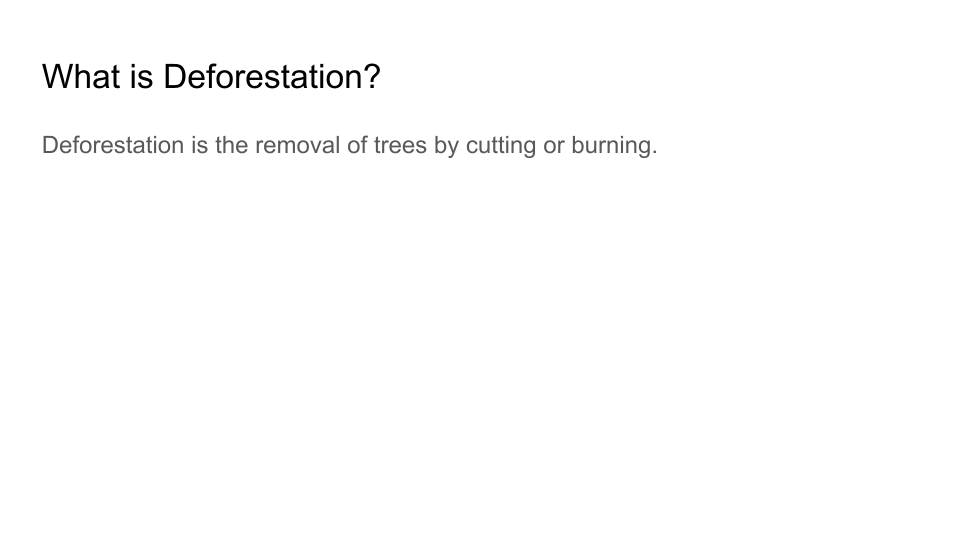
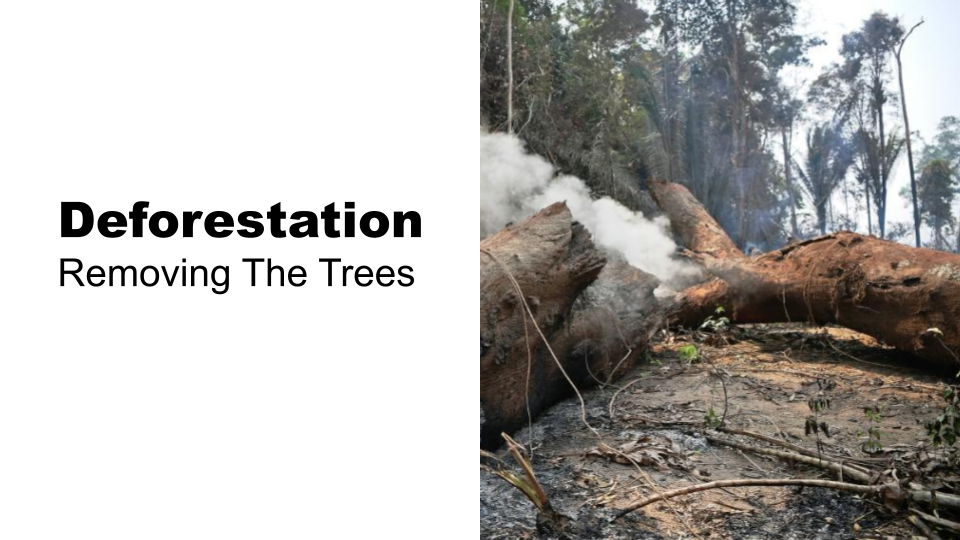
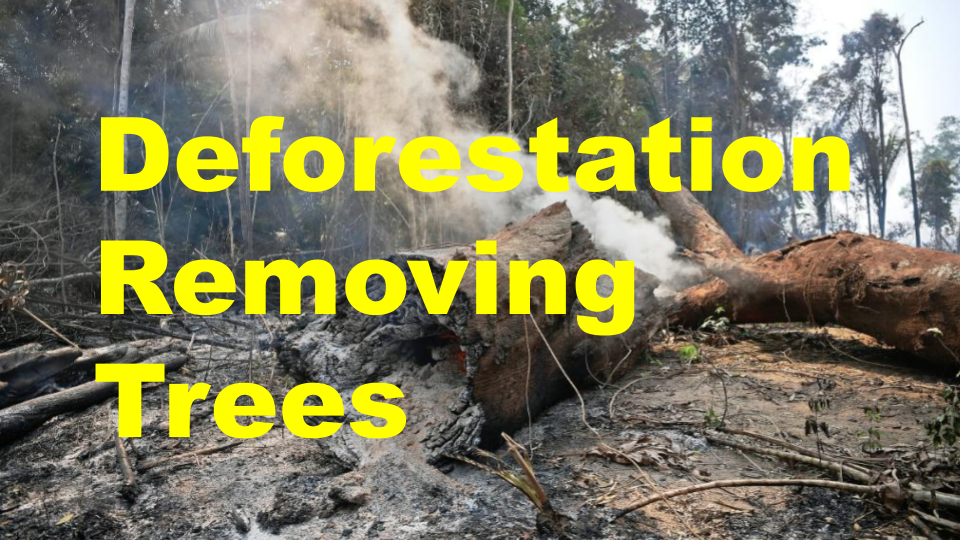
Presentation Slides: Bad Example, Good Example 1, & Good Example 2.
LESSON OUTLINE
5min Students complete the Do Now by answering the question.
10min Good vs Bad Slides. Overview on how to design slides for informative/persuasive style presentations.
25min Invasive Species Presentation. Students work together to create a ‘Good’ presentation on an invasive species (Lion Fish, Zebra Mussels, Cats, Pigeons, Pythons - the ones in Florida, Feral Pigs, Fire Ants, or Cane Toads). All slides must include a URL to show the origin of the information.
Title and Names of Group Members
1. Invasive Species Scientific Name
2.Origin (Where did it come from?)
3. Current Location (Where is it now?)
4. Why?/How? (How did it get there?)
5. Damage 1 (How is it hurting animals, crops, buildings, etc.?)
6. Damage 2 (How is it hurting animals, crops, buildings, etc.?)
7. Solutions/Control (How do we keep to population in check?)
5min Collect materials. Clean up. Wrap up.
Quiz: Trophic Levels
HW: Work on Ecosystems Vocabulary Video Project Rubric due Tuesday (10/14).
CW: Work on Invasive Species Slides.
DN: Review for your quiz.
Reminders: If you need help editing or filming please come in at lunch. We have people who can help as well as equipment you can use.
QUICK VIEW
HW: Work on Ecosystems Vocabulary Video Project Rubric due Tuesday (10/14).
CW: Work on Invasive Species Slides.
DN: Review for your quiz.
Reminders: If you need help editing or filming please come in at lunch. We have people who can help as well as equipment you can use.
Resources
Presentation Slides: Bad Example, Good Example 1, & Good Example 2.
Lesson Outline
5min Students complete the Do Now.
15min Trophic Levels Quiz.
5min How to Present. Quick overview on strategies for presenting well even if you’re nervous.
15min Invasive Species Presentations. Students give a ‘Good’ presentation on an invasive species (Lion Fish, Zebra Mussels, Cats, Pigeons, Pythons - the ones in Florida, Feral Pigs, Fire Ants, or Cane Toads). All slides must include a URL to show the origin of the information.
Title and Names of Group Members
1. Invasive Species Scientific Name
2.Origin (Where did it come from?)
3. Current Location (Where is it now?)
4. Why?/How? (How did it get there?)
5. Damage 1 (How is it hurting animals, crops, buildings, etc.?)
6. Damage 2 (How is it hurting animals, crops, buildings, etc.?)
7. Solutions/Control (How do we keep to population in check?)
5min Collect materials. Clean up. Wrap up.