Ecosystems: Invasive Species (Good vs Bad Presentations)
HW: Work on Ecosystems Vocabulary Video Project Rubric due Tuesday (10/14)
CW: Invasive Species Presentation.
DN: How will you prepare for the next quiz?
QUICK VIEW
HW: Work on Ecosystems Vocabulary Video Project Rubric due Tuesday (10/14)
CW: Invasive Species Presentation.
DN: How will you prepare for the next quiz?
Resources
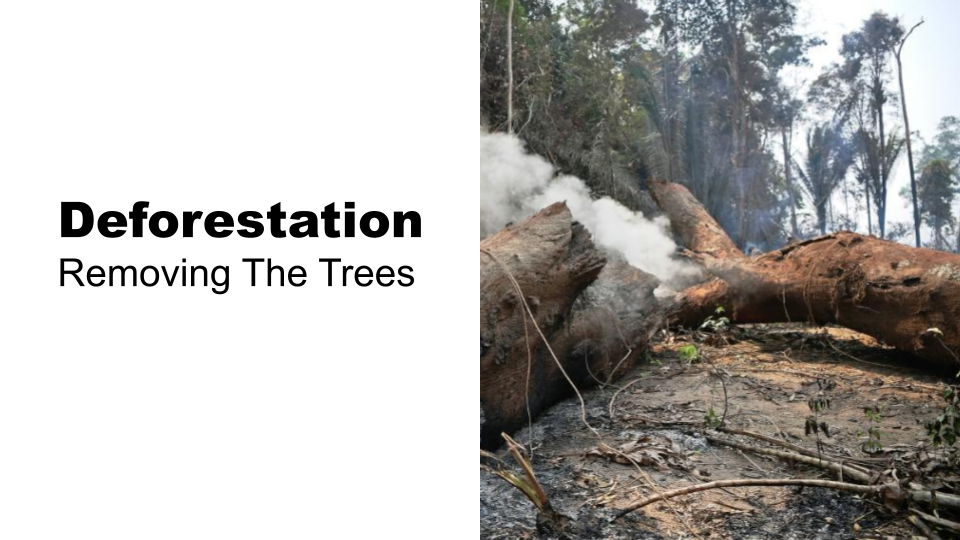
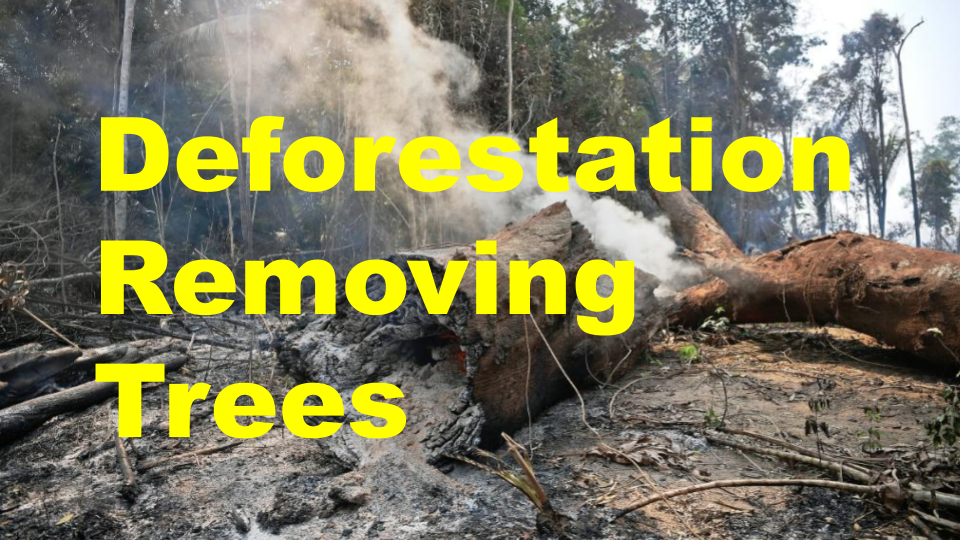
Presentation Slides: Bad Example, Good Example 1, & Good Example 2.
LESSON OUTLINE
5min Students complete the Do Now by answering the question.
10min Good vs Bad Slides. Overview on how to design slides for informative/persuasive style presentations.
25min Invasive Species Presentation. Students work together to create a ‘Good’ presentation on an invasive species (Lion Fish, Zebra Mussels, Cats, Pigeons, Pythons - the ones in Florida, Feral Pigs, Fire Ants, or Cane Toads). All slides must include a URL to show the origin of the information.
Title and Names of Group Members
1. Invasive Species Scientific Name
2.Origin (Where did it come from?)
3. Current Location (Where is it now?)
4. Why?/How? (How did it get there?)
5. Damage 1 (How is it hurting animals, crops, buildings, etc.?)
6. Damage 2 (How is it hurting animals, crops, buildings, etc.?)
7. Solutions/Control (How do we keep to population in check?)
5min Collect materials. Clean up. Wrap up.
Quiz: Trophic Levels
HW: Work on Ecosystems Vocabulary Video Project Rubric due Tuesday (10/14).
CW: Work on Invasive Species Slides.
DN: Review for your quiz.
Reminders: If you need help editing or filming please come in at lunch. We have people who can help as well as equipment you can use.
QUICK VIEW
HW: Work on Ecosystems Vocabulary Video Project Rubric due Tuesday (10/14).
CW: Work on Invasive Species Slides.
DN: Review for your quiz.
Reminders: If you need help editing or filming please come in at lunch. We have people who can help as well as equipment you can use.
Resources
Presentation Slides: Bad Example, Good Example 1, & Good Example 2.
Lesson Outline
5min Students complete the Do Now.
15min Trophic Levels Quiz.
5min How to Present. Quick overview on strategies for presenting well even if you’re nervous.
15min Invasive Species Presentations. Students give a ‘Good’ presentation on an invasive species (Lion Fish, Zebra Mussels, Cats, Pigeons, Pythons - the ones in Florida, Feral Pigs, Fire Ants, or Cane Toads). All slides must include a URL to show the origin of the information.
Title and Names of Group Members
1. Invasive Species Scientific Name
2.Origin (Where did it come from?)
3. Current Location (Where is it now?)
4. Why?/How? (How did it get there?)
5. Damage 1 (How is it hurting animals, crops, buildings, etc.?)
6. Damage 2 (How is it hurting animals, crops, buildings, etc.?)
7. Solutions/Control (How do we keep to population in check?)
5min Collect materials. Clean up. Wrap up.
Ecosystems: Food Web, Chain, & Trophic Levels Review
HW: [1] Study for your quiz. (Reread the notes twice, Quiz yourself, Summarize, Explain to Someone Else, Make an Idea Map, Make Flashcards, Complete Handouts Again, etc.) [2] Work on Ecosystems Vocabulary Video Project Rubric.
CW: Completed Food Web, Food Chain, & Trophic Level Questions worksheet.
DN: How will you prepare for the next quiz?
Reminders: Group Ecosystems Vocabulary Video Project Rubric due TODAY via schoology. Late group projects will not be accepted, group members will have to turn in separate individual project videos. MUST BE A VIDEO FILE AND NOT A LINK.
QUICK VIEW
HW: [1] Study for your quiz. (Reread the notes twice, Quiz yourself, Summarize, Explain to Someone Else, Make an Idea Map, Make Flashcards, Complete Handouts Again, etc.) [2] Work on Ecosystems Vocabulary Video Project Rubric.
CW: Completed Food Web, Food Chain, & Trophic Level Questions worksheet.
DN: How will you prepare for the next quiz?
Reminders: Group Ecosystems Vocabulary Video Project Rubric due TODAY via schoology. Late group projects will not be accepted, group members will have to turn in separate individual project videos. MUST BE A VIDEO FILE AND NOT A LINK.
Resources

Lesson Outline
5min Students complete the Do Now by answering the question.
5min Quick discussion between studying and staring. (Studying is making flashcards, having people quiz you, practicing by making food webs, writing a summary, drawing a diagram.)
10min Students start on Food Web, Food Chain, & Trophic Level Questions worksheet.
5min> Watch Dead Stuff: The Secret Ingredient in Our Food Chain video.
5min Overview question 9 step-by-step.
10min Overview question 10 step-by-step.
5min> Watch The Threat of Invasive Species video.
5min Collect materials. Clean up. Wrap up.
Ecosystems: Energy & Populations
HW: Work on Ecosystems Vocabulary Video Project Rubric.
CW: Gore-Killa Islands Handout with paragraph summary.
DN: How much energy goes to the next trophic level? (Then start making Trophic Levels Pop-Up (p24).
Reminders: [1] Group Ecosystems Vocabulary Video Project Rubric due Tuesday via schoology. Late group projects will not be accepted, group members will have to turn in separate individual project videos. [2] Short answer retakes tomorrow at lunch.
QUICK VIEW
HW: Work on Ecosystems Vocabulary Video Project Rubric.
CW: Gore-Killa Islands Handout with paragraph summary.
DN: How much energy goes to the next trophic level? (Then start making Trophic Levels Pop-Up (p24).
Reminders: [1] Group Ecosystems Vocabulary Video Project Rubric due Tuesday via schoology. Late group projects will not be accepted, group members will have to turn in separate individual project videos. [2] Short answer retakes tomorrow at lunch.
Resources
Trophic Levels & Energy Pyramids (Gore-Killa Islands)
Trophic Levels Pop-Up (Copies available in class)
Lesson Outline
5min Students complete the Do Now.
5min Finish assembling Trophic Levels Pop-Up (p24).
10min Teacher demonstrates how to calculate energy and populations.
10min Students finish the Gore-Killa Islands handout by determining how many Gore-Killas and Too-Kens can live on each island; drawing them; and then explaining why there is a difference in the Gore-Killa populations (include the terms: producer, primary consumer, energy, 10%, and more/less).
5min Discussion on population and sustainability.
5min Collect materials. Clean up. Wrap up.
Ecosystems: Trophic Cascade Effects
HW: Work on Ecosystems Vocabulary Video Project Rubric. (No repeat examples.)
CW: Completed Trophic Cascade - Wolves & Sea Otters worksheet.
DN: What is a tertiary consumer?
Reminders: [1] Group Project is Due TUESDAY (10/7). [2] Short answer quiz retakes on Tuesday at Lunch.
QUICK VIEW
HW: Work on Ecosystems Vocabulary Video Project Rubric. (No repeat examples.)
CW: Completed Trophic Cascade - Wolves & Sea Otters worksheet.
DN: What is a tertiary consumer?
Reminders: [1] Group Project is Due TUESDAY (10/7). [2] Short answer quiz retakes on Tuesday at Lunch.
RESOURCES
Lesson Outline
5min> Students complete the Do Now by answering questions.
5min< Watch How Wolves Change Rivers video.
5min Mark worksheet indicating which species increased or decreased in population.
5min Teacher demonstrates how to draw food webs based on population (bigger letters for bigger numbers).
5min Students draw new food web that includes wolves.
10min Students explain the changes to the wolves population and add a new line that shows changes to the deer populations during the same time.
5min Watch Army of Sea Urchins & Forest Guardians videos.
5min Complete drawings before (w/o otters) and after (w/ otters).
5min Collect materials. Clean up. Wrap up.