Final Review: Day 1
CW/HW: Finish Final Review Worksheet #1.
DN: Take handout. Open notebook. Start.
Reminders: “The Talks” start next week.
QUICK VIEW
CW/HW: Finish Final Review Worksheet #1.
DN: Take handout. Open notebook. Start.
Reminders: “The Talks” start next week.
RESOURCES
LESSON OUTLINE
5min Students complete the Do Now.
25min Upcycle Presentations.
20-30min Final Review Worksheet #1. (YELLOW)
Collect Final Review Worksheet #1. (YELLOW)
5min Collect materials. Clean up. Wrap up.
Upcycle Project Presentations
DN: Prepare for presentations.
Reminders: Late projects are due no later than next week for a 15% penalty.
QUICK VIEW
DN: Prepare for presentations.
Reminders: Late projects are due no later than next week for a 15% penalty.
LESSON OUTLINE
5min Students start on the Do Now.
20-30min Upcycle Project Presentations. Students give a short presentation on the environmental impact of plastic, fabric, cardboard, or rubber and introduce their ReUse products. Students commercials are shown after their presentations. (Students complete review worksheet between presentations.)
5min Collect materials. Clean up. Wrap up.
MiniLab: Jump Height
HW: Turn in SOLO projects and commercials.
CW: Complete MiniLab write-up. (Prediction for a person with a height of 130cm or 160cm.)
DN: How you measure actual jump height?
Reminders: Add your photo documentation to the last slide.
QUICK VIEW
HW: Turn in SOLO projects and commercials.
CW: Complete MiniLab write-up. (Prediction for a person with a height of 130cm or 160cm.)
DN: How you measure actual jump height?
Reminders: Add your photo documentation to the last slide.
RESOURCES

LESSON OUTLINE
10min Students complete the Do Now by measuring their heights in cm.
5min Teacher outlines the procedure for the MiniLab.
10min Students collect jump height data based on heel height off the ground from a vertical jump.
5min Using Google spreadsheets or a calculator, students calculate the averages.
10min Students determine the independent variable, dependent variable, constants, hypothesis, and title.
10min Students plot their data; add an appropriate trendline; complete an analysis; and make a prediction for a person with a height of 130cm or 160cm.
5min Collect materials. Clean up. Wrap up.
Project Time: Presentation Slideshow (Day 2)
HW: Complete Solo Upcycle Project.
CW: Complete Upcycle Project Presentation Slideshow.
DN: How do you give a good presentation?
QUICK VIEW
HW: Complete Solo Upcycle Project.
CW: Complete Upcycle Project Presentation Slideshow.
DN: How do you give a good presentation?
Resources
LESSON OUTLINE
5min Students complete the Do Now.
5-10min Teacher feedback.
20-25min ReUse Project Presentation Slideshow. Students use resources to address questions following the simplified quick presentation slide style (Bad Example, Good Example 1, & Good Example 2). Teacher checks slides and offers suggestions.
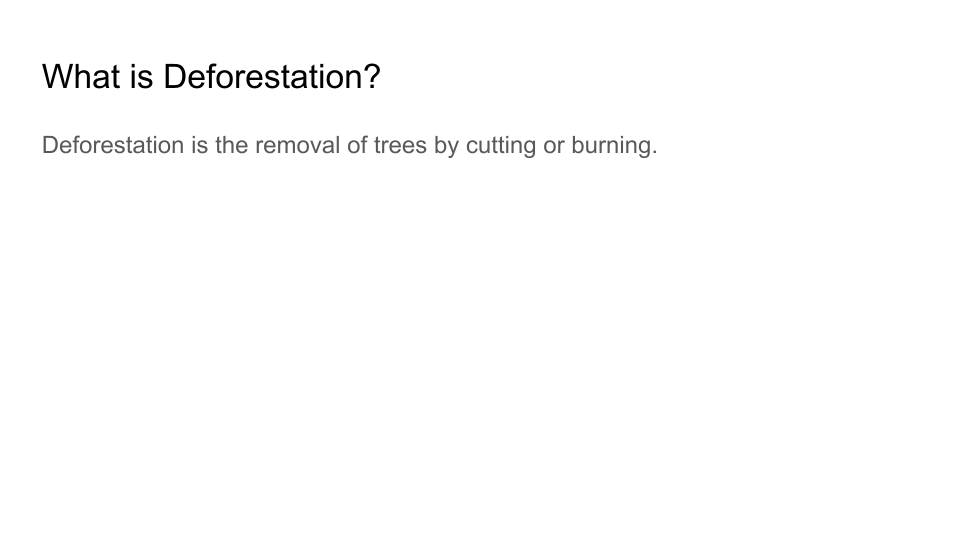
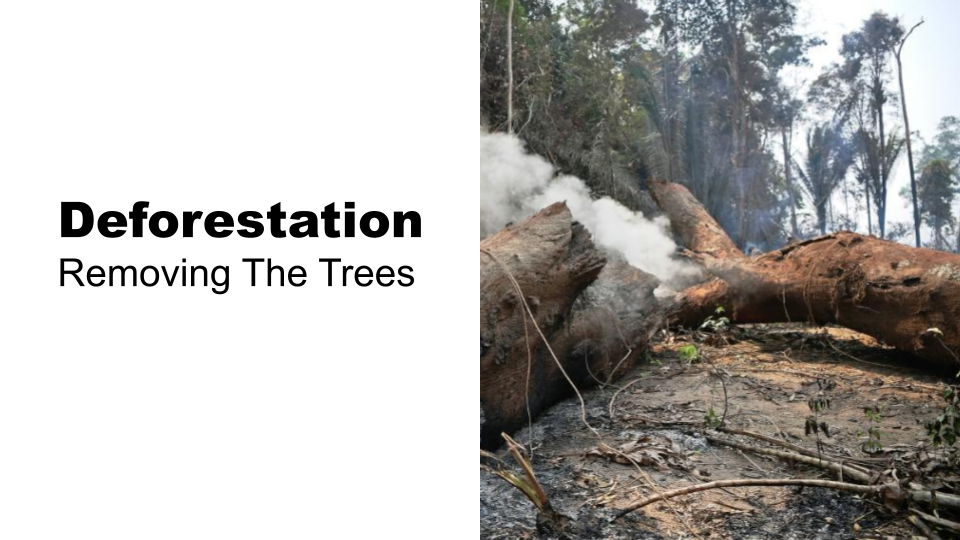
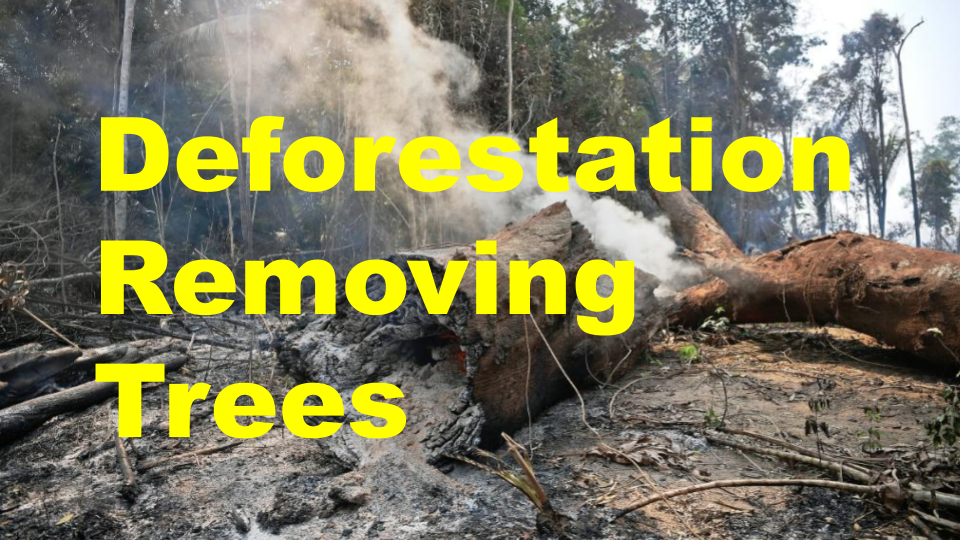
The following questions need to be answered in your presentation/slideshow. Make sure to follow the rules for a presentation.
Environmental Impact of Plastic, Cardboard, Fabrics, and Rubber
1. Title slide (brand name of your product).
2. How much plastic/cardboard/fabric is made/used/thrown away every year?*
3. What is the natural resource used to make plastic/cardboard/fabric/rubber?
(Example: Glass is made from sand. Sand is the resource.)
4. Is the natural resource renewable or nonrenewable?
5. How much of that natural resource is used a year?*
6. How much water is used to make plastic/cardboard/fabric/rubber?*
7. How does getting/using/making/disposing of plastic/cardboard/fabric/rubber directly or indirectly contribute to the death/illness of living organisms)?*
* Requires numbers and a link to your resource.
8. “What's the solution?” (This is just a set up for your product.)
9. Product (Include picture of your project item.)
10. Cost & Selling Price
11. Final Message
Rules for Slides
- BIG Sans Serif Fonts (30+)
- NO Sentences, NO Paragraphs, NO Bullet Points
- ONE FACT + ONE PIC per slide. (If the picture is that important, it should have its own slide.)
- URL should be tiny at the bottom
- NO crazy colors. NO animations.
Notes
[1] Styrofoam is a type of plastic. [2] Cardboard is a type of paper. [3] There are two types of fabrics, natural and synthetic. Synthetic fabrics like polyester are made from plastic. [4] The term “effluent” means liquid waste/wastewater [5] One cubic meter of liquid (1 m³ or 1 m^3) is 1000L or 264 gallons. [6] Natural Rubber Latex, NRL, and Latex are the same thing, which are different from Natural Rubber. [7] Many things that are ‘rubber’ or ‘Natural Rubber’ are vulcanized (heat + sulfur) to become stronger and more durable (such as rubber bouncy balls, rubber mats, or rubber tires).
USE ONLY THESE LINKS
Water
https://www.watercalculator.org/water-use/the-hidden-water-in-everyday-products/
http://teacher.depaul.edu/MathConnectResources/All%20Data%20pdf/Chicago%20Water%20Usage%20Facts.pdf
https://www.uvm.edu/~wbowden/Teaching/xInvited%20lectures/Water%20trivia%20%28EPA%29.pdf
Cotton
https://www.theguardian.com/sustainable-business/sustainable-fashion-blog/2014/oct/01/cotton-production-linked-to-images-of-the-dried-up-aral-sea-basin
https://www.sustainyourstyle.org/old-environmental-impacts
https://www.eurekalert.org/pub_releases/2018-08/nuos-cfa072618.php
https://www.wpr.org/despite-efforts-head-nutrient-runoff-dead-zones-growing-problem
https://www.nwf.org/Magazines/National-Wildlife/2006/Cotton-and-Pesticides
Plastic
https://science.howstuffworks.com/plastic.htm
https://www.plasticseurope.org/en/about-plastics/what-are-plastics/how-plastics-are-made
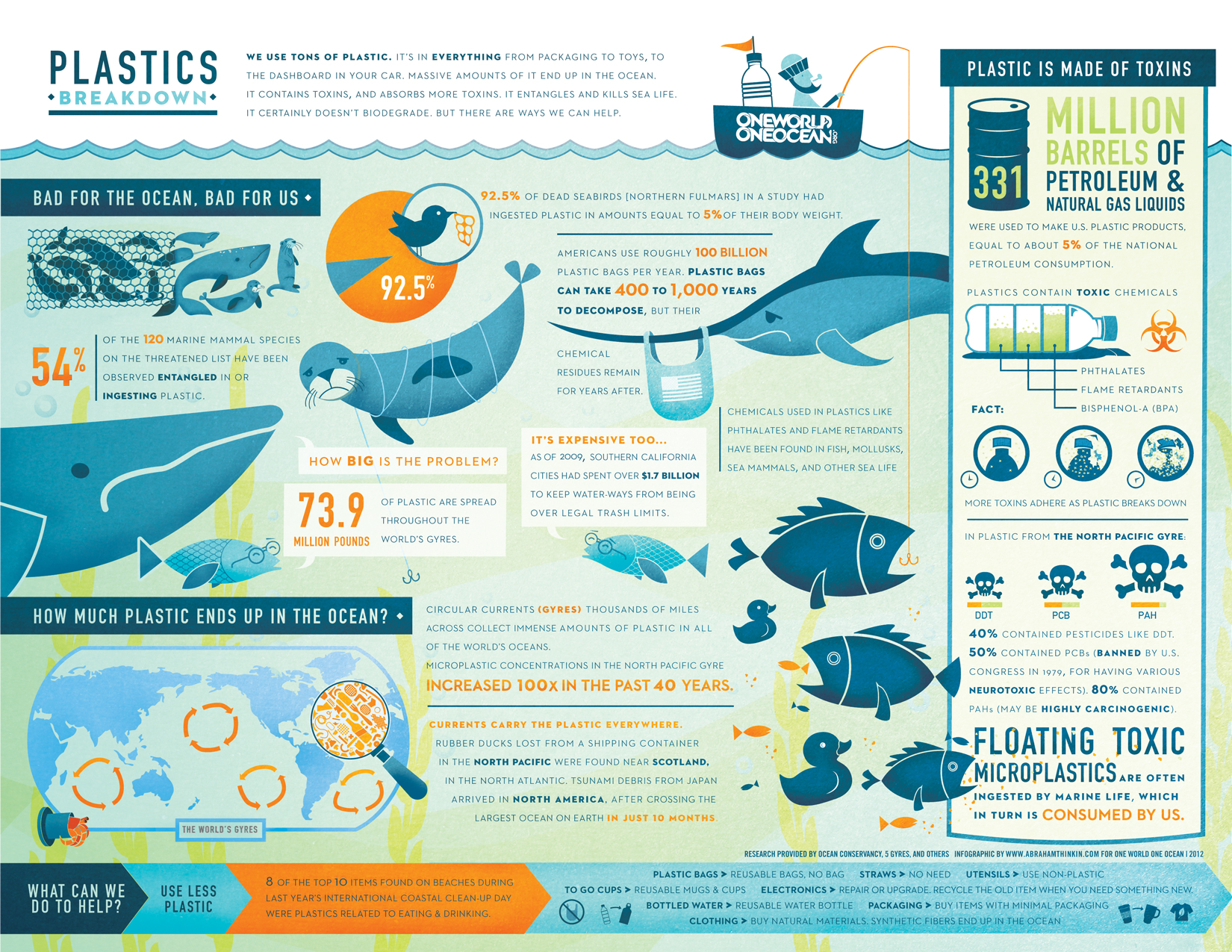
https://www.earthday.org/2018/04/05/fact-sheet-plastics-in-the-ocean/
http://www.oneworldoneocean.com/images/blog/OWOO_PlasticsInfographic_2012_b.jpg
Paper
https://www.sierraclub.org/sierra/2014-4-july-august/ask-mr-green/how-much-paper-does-one-tree-produce
https://www.worldatlas.com/articles/how-many-trees-does-it-take-to-make-1-ton-of-paper.html
https://www.ran.org/the-understory/how_many_trees_are_cut_down_every_year/
https://www.triplepundit.com/story/2013/deforestation-and-role-paper-products/59071
https://rainforests.mongabay.com/0807a.htm
Rubber
https://www.ace-laboratories.com/latex-vs-rubber/ https://www.sciencedirect.com/science/article/abs/pii/S0045653523017794 https://wits.worldbank.org/trade/comtrade/en/country/ALL/year/2021/tradeflow/Exports/partner/WLD/product/400110
https://www.bbc.com/future/article/20210308-rubber-the-wonder-material-we-are-running-out-of
https://www.azocleantech.com/article.aspx?ArticleID=1227https://www.nature.com/articles/s41586-023-06642-z
5min Collect materials. Clean up. Wrap up.
Project Time: Presentation Slideshow
HW: Complete Solo Upcycle Project.
CW: Complete Upcycle Project Presentation Slideshow.
DN: What is the main material of your project made from?
QUICK VIEW
HW: Complete Solo Upcycle Project.
CW: Complete Upcycle Project Presentation Slideshow.
DN: What is the main material of your project made from?
Resources
LESSON OUTLINE
5min Students complete the Do Now.
10min Photosynthesis & Cellular Respiration Quiz
5min Teacher explains assignments.
20-25min ReUse Project Presentation Slideshow. Students use resources to address questions following the simplified quick presentation slide style (Bad Example, Good Example 1, & Good Example 2). Teacher checks slides and offers suggestions.
The following questions need to be answered in your presentation/slideshow. Make sure to follow the rules for a presentation.
Environmental Impact of Plastic, Cardboard, Fabrics, and Rubber
1. Title slide (brand name of your product).
2. How much plastic/cardboard/fabric is made/used/thrown away every year?*
3. What is the natural resource used to make plastic/cardboard/fabric/rubber?
(Example: Glass is made from sand. Sand is the resource.)
4. Is the natural resource renewable or nonrenewable?
5. How much of that natural resource is used a year?*
6. How much water is used to make plastic/cardboard/fabric/rubber?*
7. How does getting/using/making/disposing of plastic/cardboard/fabric/rubber directly or indirectly contribute to the death/illness of living organisms)?*
* Requires numbers and a link to your resource.
8. “What's the solution?” (This is just a set up for your product.)
9. Product (Include picture of your project item.)
10. Cost & Selling Price
11. Final Message
Rules for Slides
- BIG Sans Serif Fonts (30+)
- NO Sentences, NO Paragraphs, NO Bullet Points
- ONE FACT + ONE PIC per slide. (If the picture is that important, it should have its own slide.)
- URL should be tiny at the bottom
- NO crazy colors. NO animations.
Notes
[1] Styrofoam is a type of plastic. [2] Cardboard is a type of paper. [3] There are two types of fabrics, natural and synthetic. Synthetic fabrics like polyester are made from plastic. [4] The term “effluent” means liquid waste/wastewater [5] One cubic meter of liquid (1 m³ or 1 m^3) is 1000L or 264 gallons. [6] Natural Rubber Latex, NRL, and Latex are the same thing, which are different from Natural Rubber. [7] Many things that are ‘rubber’ or ‘Natural Rubber’ are vulcanized (heat + sulfur) to become stronger and more durable (such as rubber bouncy balls, rubber mats, or rubber tires).
USE ONLY THESE LINKS
Water
https://www.watercalculator.org/water-use/the-hidden-water-in-everyday-products/
http://teacher.depaul.edu/MathConnectResources/All%20Data%20pdf/Chicago%20Water%20Usage%20Facts.pdf
https://www.uvm.edu/~wbowden/Teaching/xInvited%20lectures/Water%20trivia%20%28EPA%29.pdf
Cotton
https://www.theguardian.com/sustainable-business/sustainable-fashion-blog/2014/oct/01/cotton-production-linked-to-images-of-the-dried-up-aral-sea-basin
https://www.sustainyourstyle.org/old-environmental-impacts
https://www.eurekalert.org/pub_releases/2018-08/nuos-cfa072618.php
https://www.wpr.org/despite-efforts-head-nutrient-runoff-dead-zones-growing-problem
https://www.nwf.org/Magazines/National-Wildlife/2006/Cotton-and-Pesticides
Plastic
https://science.howstuffworks.com/plastic.htm
https://www.plasticseurope.org/en/about-plastics/what-are-plastics/how-plastics-are-made
https://www.earthday.org/2018/04/05/fact-sheet-plastics-in-the-ocean/
http://www.oneworldoneocean.com/images/blog/OWOO_PlasticsInfographic_2012_b.jpg
Paper
https://www.sierraclub.org/sierra/2014-4-july-august/ask-mr-green/how-much-paper-does-one-tree-produce
https://www.worldatlas.com/articles/how-many-trees-does-it-take-to-make-1-ton-of-paper.html
https://www.ran.org/the-understory/how_many_trees_are_cut_down_every_year/
https://www.triplepundit.com/story/2013/deforestation-and-role-paper-products/59071
https://rainforests.mongabay.com/0807a.htm
Rubber
https://www.ace-laboratories.com/latex-vs-rubber/ https://www.sciencedirect.com/science/article/abs/pii/S0045653523017794 https://wits.worldbank.org/trade/comtrade/en/country/ALL/year/2021/tradeflow/Exports/partner/WLD/product/400110
https://www.bbc.com/future/article/20210308-rubber-the-wonder-material-we-are-running-out-of
https://www.azocleantech.com/article.aspx?ArticleID=1227https://www.nature.com/articles/s41586-023-06642-z
5min Collect materials. Clean up. Wrap up.