MiniLab: Heart Rate
HW: Enjoy your break.
CW: Complete Heart Rate MiniLab Report.
DN: Find your pulse (heart beat). How many times does your heart beat in a minute?
QUICK VIEW
HW: Enjoy your break.
CW: Complete Heart Rate MiniLab Report.
DN: Find your pulse (heart beat). How many times does your heart beat in a minute?
RESOURCES
MiniLab Blank Template Handout
Exercise Heart Rate Sample Data

LESSON OUTLINE
10min Students complete the Do Now.
5min Teacher outlines the procedure for the MiniLab.
10min Students collect heart rate data.
5min Using Google spreadsheets or a calculator, students calculate the averages.
10min Students determine the independent variable, dependent variable, constants, hypothesis, and title.
10min Students plot their data; add an appropriate trendline; complete an analysis; and make a prediction for 30s of exercise.
5min Collect materials. Clean up. Wrap up.
Q3 Notebook Check #2
DN: Paste table of contents in notebook.
QUICK VIEW
DN: Paste table of contents in notebook.
LESSON OUTLINE
5min Students complete the Do Now.
10min Notebook Check (1st Person).
10min Notebook Check (2nd Person).
5min Collect materials. Clean up. Wrap up.
Photosynthesis & Cellular Respiration: Basics & Ketchup
CW: Completed Slides
DN: What organisms cause dough to rise, cheese to turn yellow, and yogurt to taste sour?
Reminders: Quiz corrections at lunch. Wednesday 5th period only. Thursday 6th period only. And Friday 1st and 2nd only.
QUICK VIEW
CW: Completed Slides
DN: What organisms cause dough to rise, cheese to turn yellow, and yogurt to taste sour?
Reminders: Quiz corrections at lunch. Wednesday 5th period only. Thursday 6th period only. And Friday 1st and 2nd only.
RESOURCES
LESSON OUTLINE
5min< Students complete the Do Now.
Due to an internet outage, yesterday’s lesson will continue today.
15min Poop In My Food Slideshow. Students select two items from the provided list and complete the slideshow via Google Classroom where they will: [1] identify the food, place of origin, and provide a picture; [2] identify, describe, and provide a picture of the main; [3] name the main microbe involved and identify as a bacteria or fungi.
1. Chocolate
2. Kimchi
3. Blue Cheese
4. Soy Sauce
5. Yogurt
6. Vinegar
7. Pepperoni/Salami
8. Sourdough Bread
9. Natto
10. Sauerkraut
10-15min Student groups present their slideshows.
5min Collect materials. Clean up. Wrap up.
Photosynthesis & Cellular Respiration: Poop In Food
CW: Completed Poop in My Food Slideshow.
DN: List all the foods you ate yesterday.
QUICK VIEW
CW: Completed Poop in My Food Slideshow.
DN: List all the foods you ate yesterday.
RESOURCES
LESSON OUTLINE
5min Students complete the Do Now.
15min Poop In My Food Slideshow. Students select two items from the provided list and complete the slideshow via Google Classroom where they will: [1] identify the food, place of origin, and provide a picture; [2] identify, describe, and provide a picture of the main; [3] name the main microbe involved and identify as a bacteria or fungi.
1. Chocolate
2. Kimchi
3. Blue Cheese
4. Soy Sauce
5. Yogurt
6. Vinegar
7. Pepperoni/Salami
8. Sourdough Bread
9. Natto
10. Sauerkraut
10-15min Student groups present their slideshows.
5-10min Microorganisms in Food Production videos.
5min Collect materials. Clean up. Wrap up.
Photosynthesis & Cellular Respiration: Plant Types
CW: Plant Slideshow & Presentation.
DN: Name all the plants you know.
QUICK VIEW
CW: Plant Slideshow & Presentation.
DN: Name all the plants you know.
LESSON OUTLINE
5min Students complete the Do Now.
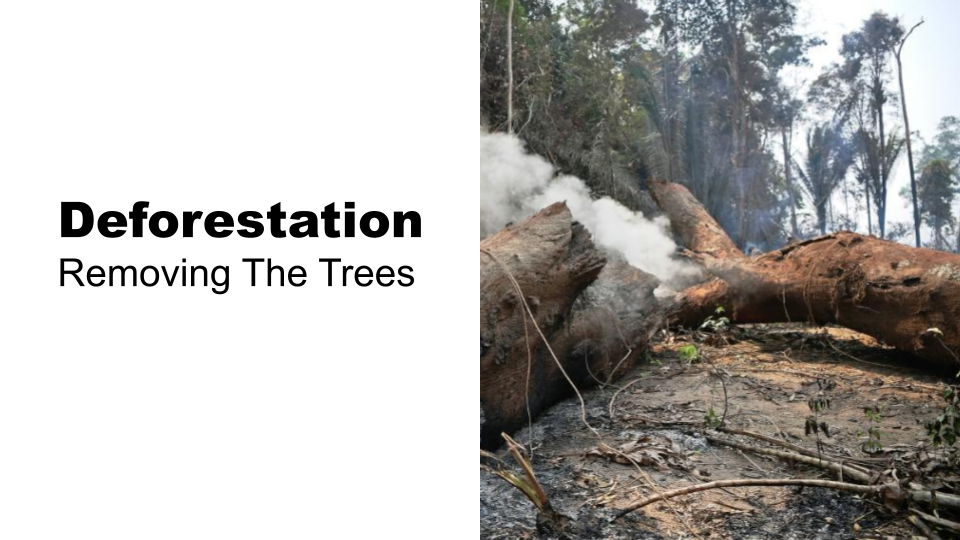
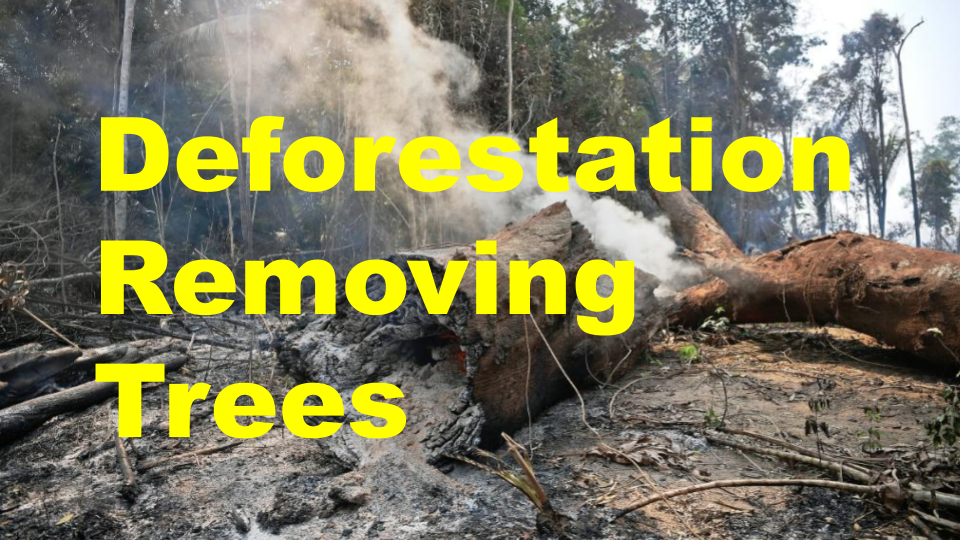
10-15min Plant Presentation Slideshow. Students quickly in groups create a slideshow on an assigned plant type (Monocots, Dicots, Conifers, or Ferns) following Good Presentation Styling/Structure (Bad Example, Good Example 1, & Good Example 2).
Slide 1: Title & Your Names
Slide 2: Example of the Type of Plant
Slide 3: Another example
Slide 4: Leaves (Parallel or Web/Branching Veins. Needle or Featherlike)
Slide 5: Stems (Woody or Herbaceous)
Slide 6: Reproduction (Seeds, Spores, Cones, Flowers, etc.)
Slide 7: Interesting Fact (Numbers such as Heights/%/etc.)
10-15min Plant Presentation. Student groups present their slideshows. Concurrently, students make improvements or corrections to their slideshows.
5min Collect materials. Clean up. Wrap up.